WHO urges national lists for essential assistive products
The health agency says financing, procurement, maintenance and accessible services must accompany product priorities.
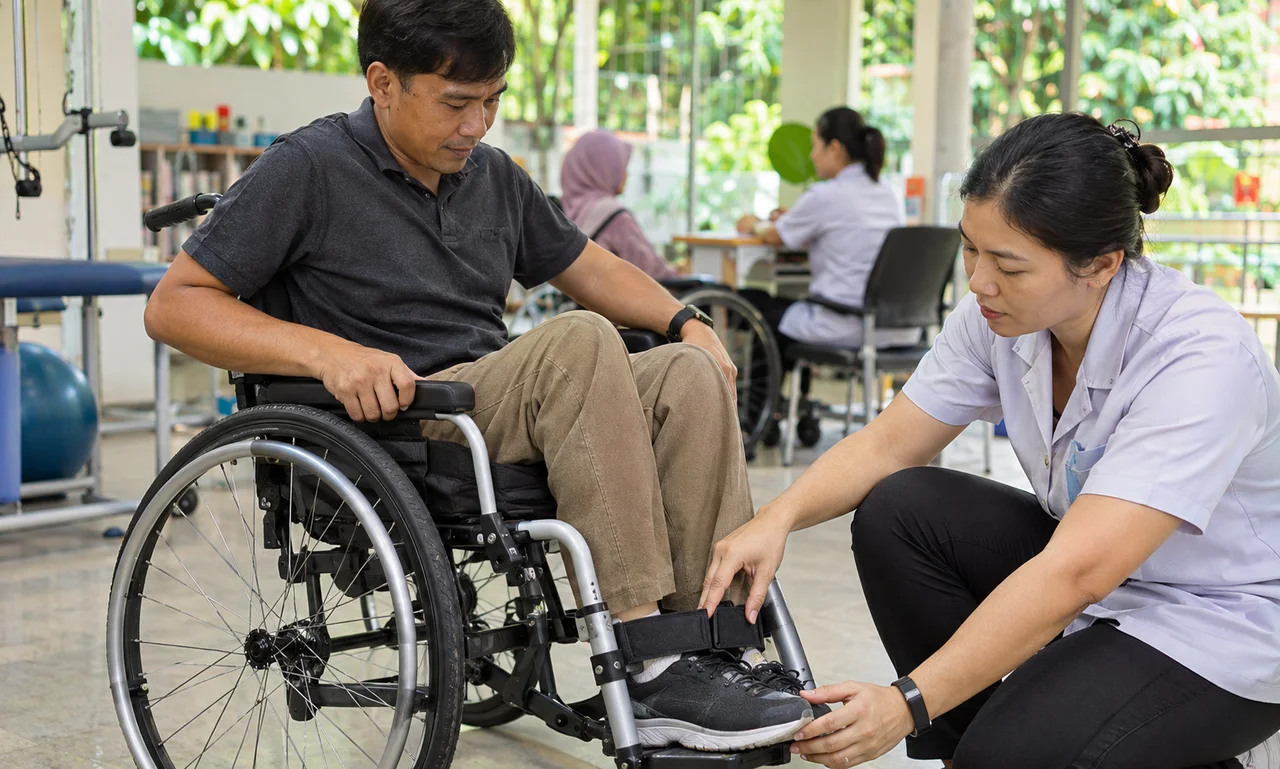
The World Health Organization is urging countries in South-East Asia to develop and fund national priority lists for assistive products such as wheelchairs, hearing aids, spectacles and prostheses.
More than 2.5 billion people worldwide need at least one assistive product, WHO says. Nearly one billion people cannot get the products they need, while others face significant out-of-pocket costs.
The agency’s updated model list includes 66 categories. National lists are meant to reflect local population needs, available evidence and the capacity of each health system.
WHO says a list alone is not enough. Countries also need sustainable purchasing, trained workers, maintenance, timely replacement and integration into primary care and universal health coverage.
Bhutan, India, Nepal and Timor-Leste have adopted national lists with WHO support. Bangladesh has developed a draft list and investment case, while work on a national list has also advanced in Maldives.
Source
News brief based on the linked WHO release.